

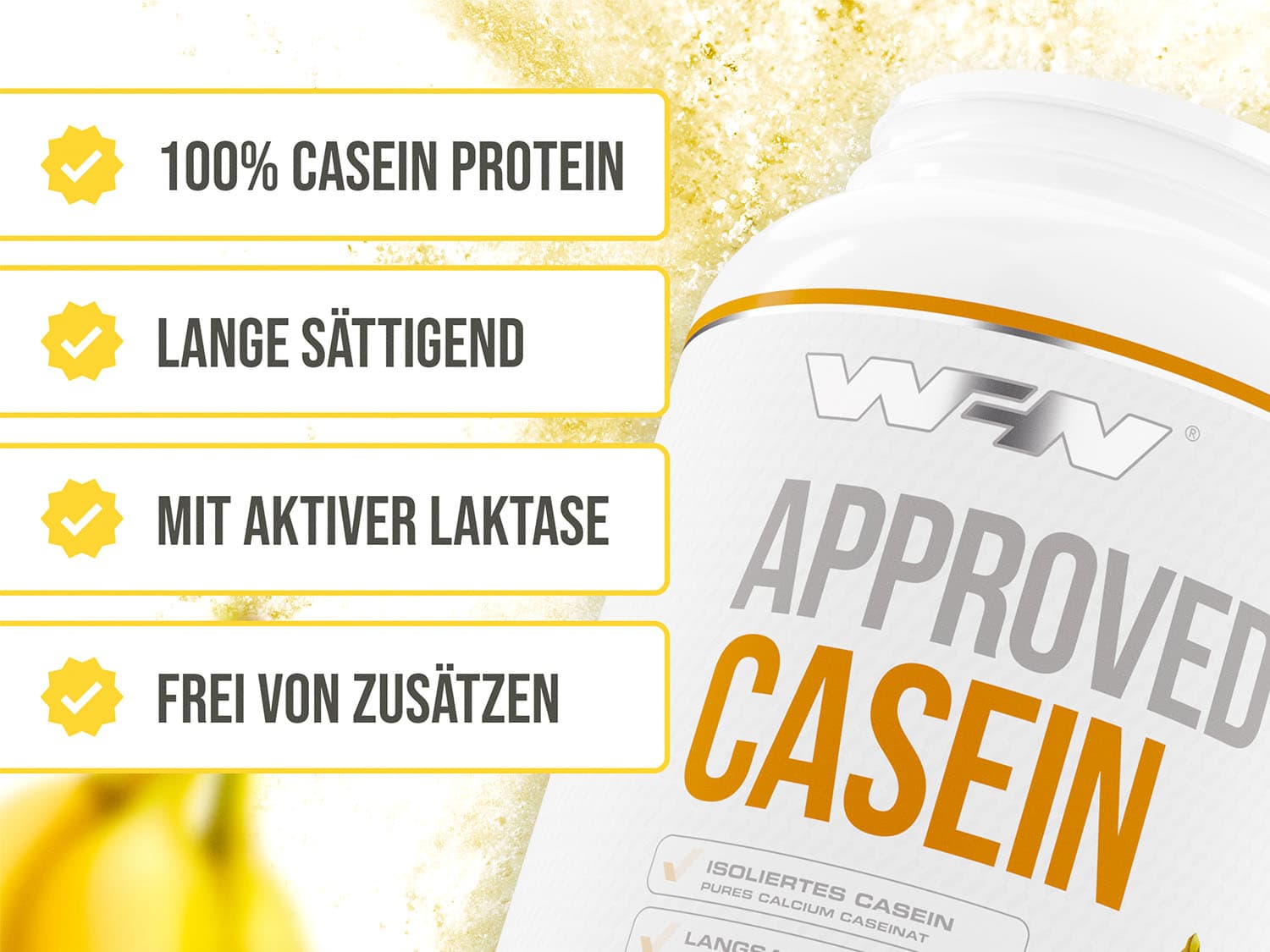
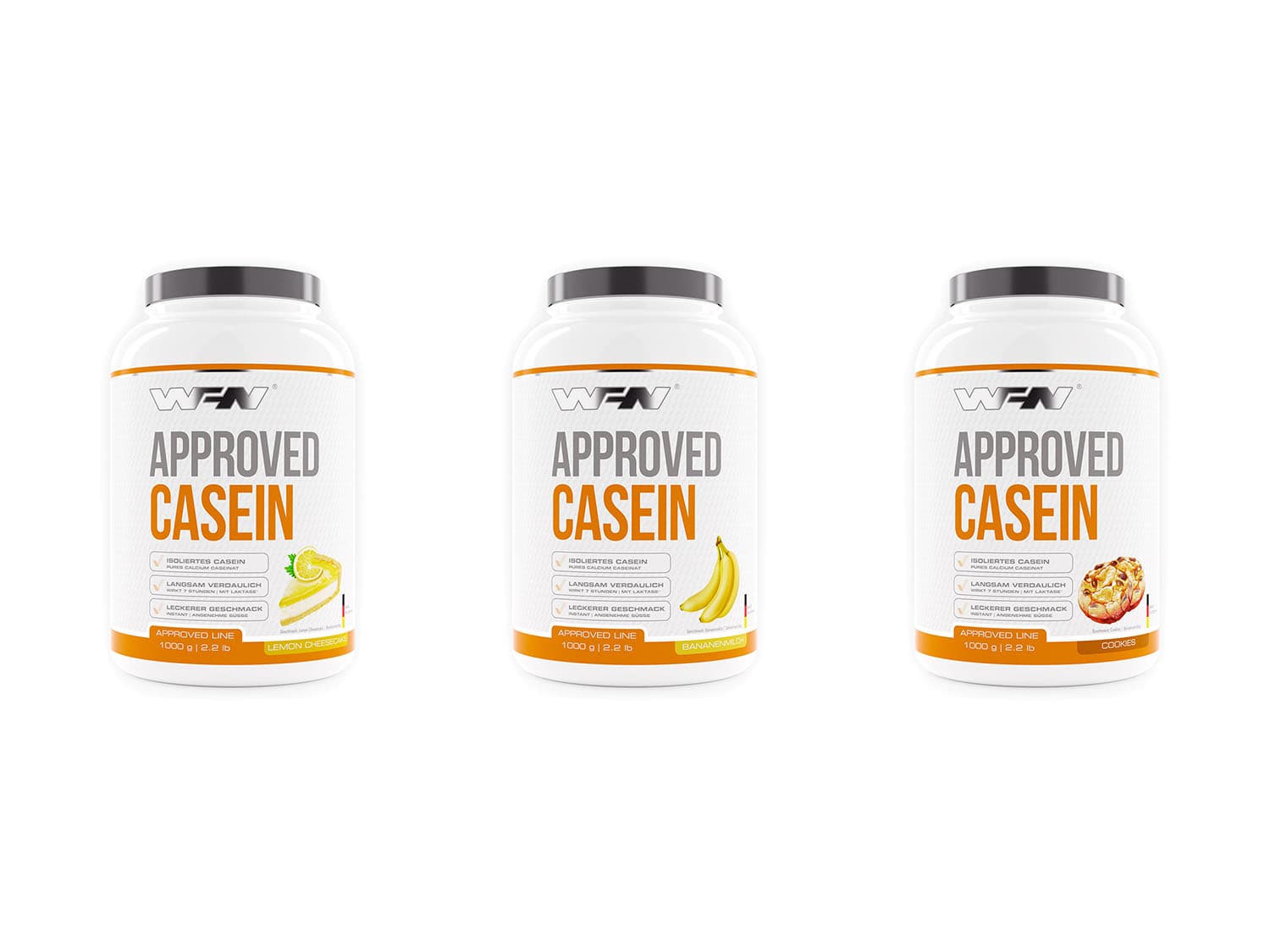

To stay as flexible as possible when creating the visuals, the powder container was first rebuilt in 3D. This made it possible to render the product from any angle. The virtual set dressing and the composition of the visuals were then done in Photoshop, resulting in a series of advertising images for each of the three varieties.
The focus was on an appealing and dynamic presentation of the products. Since powder itself is not very photogenic, we relied on graphic elements.
By creating the 3D assets, we also gained the flexibility to create moving images in the future.
Key visuals for a protein powder line start from a product that offers little to the camera. The container is a simple body, the contents are a substance with no shape of their own. Unlike food that can be made to look appetising, or devices whose build quality is visible, the subject here carries almost no message by itself.
A line of varieties also has to be thought of as a series. Three varieties share form, format and structure while differing in colour, flavour and mood. The images therefore have to read as a family and still keep each variety distinguishable. Designing every variety on its own produces three separate pictures rather than a line.
At WFN the task additionally called for skills in several graphic disciplines at the same time. Product rendering, image composition and graphic design work into each other, and the decision about how a picture is built is taken before the first motif exists.
Because powder itself is not very photogenic, the visual effect in this kind of subject comes from what surrounds the product. Graphic elements take on the job of creating the movement and the statement the product cannot supply. They set direction, bring rhythm into the frame and tie each variety to a colour world.
The powder container was first rebuilt in 3D. For a series of images that is a foundational decision. A digital model can be rendered from any angle without a new shoot for every new perspective, and changes to labelling, orientation or lighting concern the model rather than the individual picture.
The virtual set dressing and the composition of the visuals were then done in Photoshop. In this division of labour the 3D model provides the reliable core, while the composition determines mood and pacing. That is how a series of advertising images came about for each of the three varieties, consistent with one another.
With assets for a product line, the amount of later effort is decided early. The difference lies in whether the result is a set of finished pictures or a basis from which further pictures can be derived. A built 3D asset belongs in the second category.
The 3D assets brought the flexibility to create moving images in the future. That is typical for this class of work. A model created for stills is at the same time the precondition for animation, because camera moves, rotations and transitions build on the same data.
Formats and cropping are worth considering from the start as well. Advertising images are rarely needed in a single aspect ratio, and a composition that only works in landscape has to be reinvented for every additional placement. A clean separation of product, background and graphic elements helps just as much, so that single layers can be exchanged without rebuilding the whole motif.
Write to us or book an initial consultation directly. We reply within 24 hours, usually faster on weekdays.